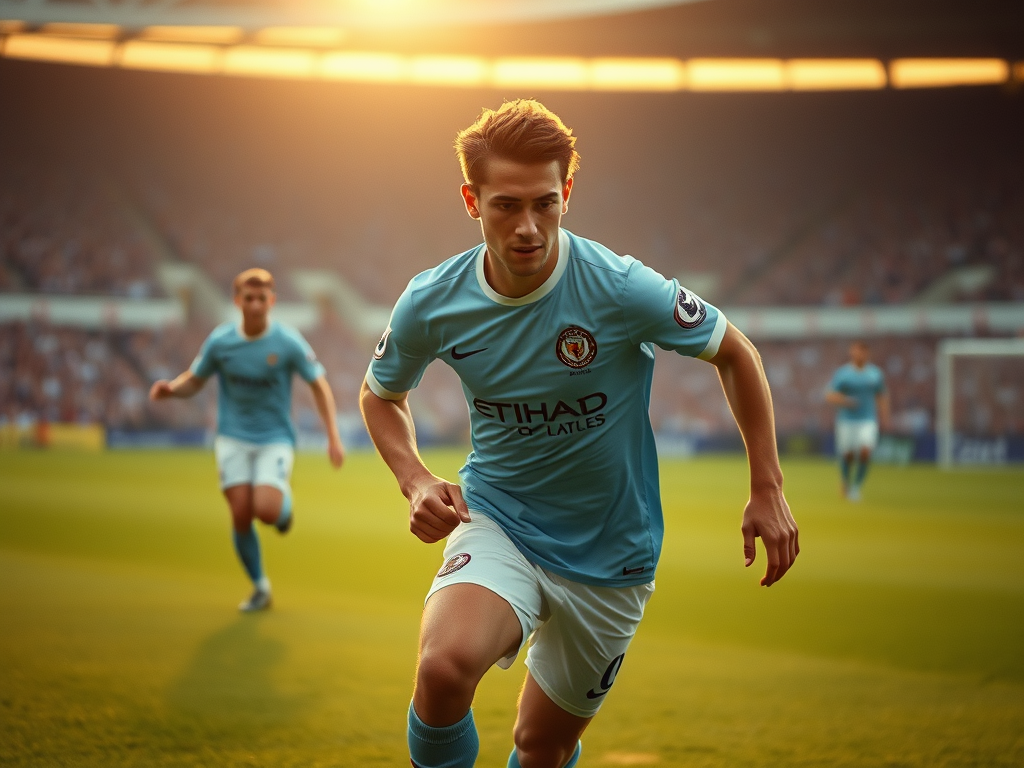
 Manchester City Hub
Reassessing Manchester City's Midfield Dynamics: Tactical Adjustments Ahead
As Manchester City progresses through the season, the tactical landscape continues to shift, revealing both strengths and vulnerabilities within the squad. While the overarching philosophy under Pep Guardiola remains intact, the nuanced execution, particularly in midfield, could benefit from some strategic adjustments. The midfield has always been the engine room for The Citizens, shaping both their defensive solidity and attacking fluidity. However, recent matches have highlighted the need for a reassessment of roles and positioning to fully capitalize on the talent available.
Current Midfield Structure
At the heart of City's play is a three-man midfield that typically includes Rodri as the holding midfielder, flanked by two dynamic players who can transition the ball effectively. The current setup allows for fluid interchanging of positions, but it has occasionally led to disjointed phases during matches where opponents have exploited gaps left by over-committed players. Particularly against teams that employ a compact defensive block, the midfield has struggled to maintain possession and create meaningful chances.
Emphasizing Positional Discipline
One tactical tweak could involve instilling a greater sense of positional discipline among the midfielders. While Guardiola encourages fluid movement, ensuring that at least one midfielder remains positioned to receive the ball in deeper areas could help mitigate counter-attacks. By adopting a more structured approach, the likes of Rodri could have clearer options to distribute the ball, thereby maintaining control and dictating the tempo.
Flexibility in Role Assignment
Another area for potential enhancement is the assignment of roles within the midfield trio. Currently, players like Mateo Kovačić and Ilkay Gündoğan are expected to contribute equally to both defensive duties and attacking transitions. However, fine-tuning their roles could lead to more effective performances. For instance, designating Kovačić as a more advanced playmaker while allowing Gündoğan to focus on pressing and recovering the ball could leverage their individual strengths more effectively. This would not only create a more balanced midfield but also allow for varied attacking patterns.
Integrating Youth and New Faces
With the emergence of younger talents such as Cole Palmer, integrating this fresh energy into the midfield could rejuvenate the squad. Palmer's ability to drift into space and create opportunities could add a new dimension to the midfield setup. Encouraging him to interchange with established players could disrupt opposition defenses and create openings that have been missing in recent matches.
Enhancing Defensive Cohesion
Defensively, ensuring a cohesive unit in midfield is essential. The pressing game that City employs demands that all midfielders are in sync, ready to engage opponents quickly. A focus on collective defensive drills during training could help sharpen their awareness, ensuring that they close down passing lanes and recover quickly when possession is lost. This would not only enhance overall team shape but also reduce the burden on the backline, which has at times appeared vulnerable.
Conclusion
As Manchester City aims for continued success in both domestic and European competitions, subtle tweaks to their midfield dynamics could prove crucial. By emphasizing positional discipline, refining roles, integrating youth, and enhancing defensive cohesion, Guardiola could unlock a new level of performance from his already talented squad. The upcoming fixtures present a timely opportunity to implement these adjustments and keep The Citizens at the forefront of English football.