Recent Tactical Observations
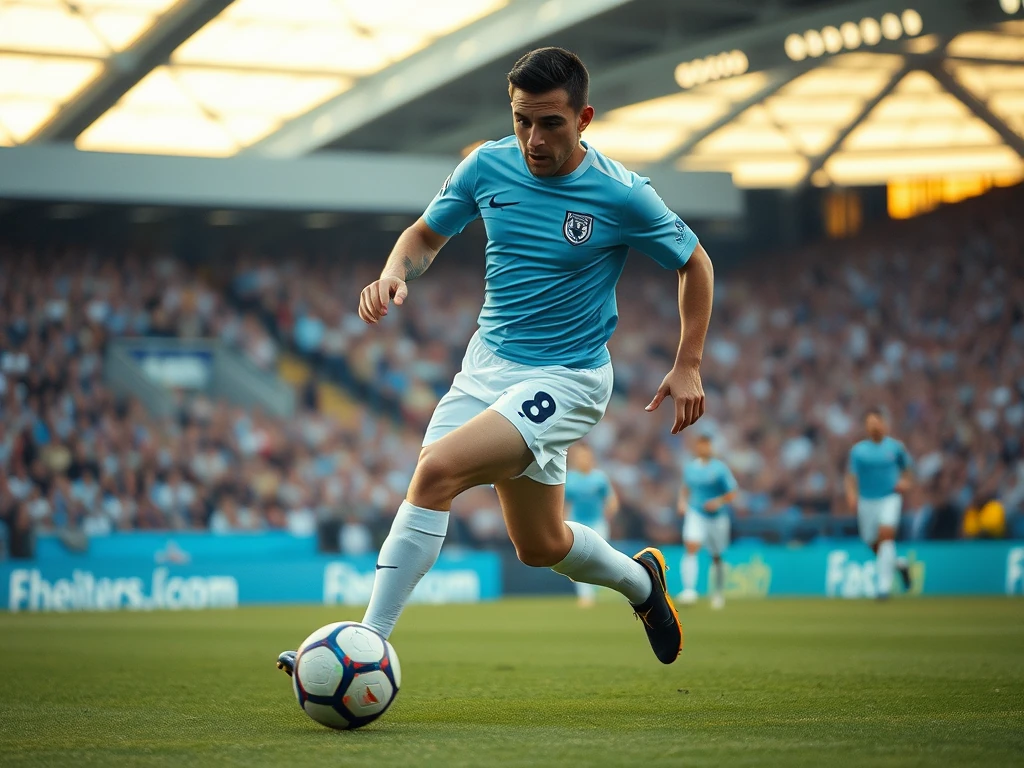
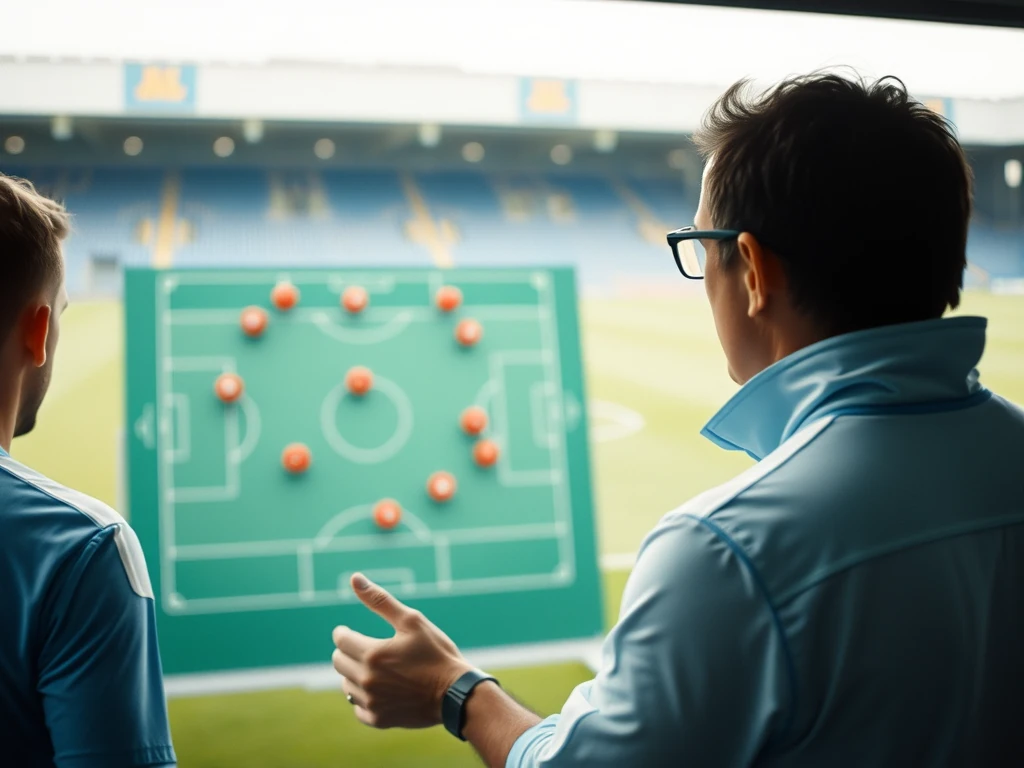
As the season unfolds, Manchester City has displayed both moments of brilliance and patches of inconsistency. The tactical framework established by Pep Guardiola continues to be a fluid system, yet certain elements have begun to show signs of wear. Analyzing their recent matches reveals a few recurring patterns that could benefit from strategic tweaks to maintain their momentum in the league.
One notable observation is City's reliance on possession play, which has become somewhat predictable for opponents. While dominating the ball is a key aspect of Guardiola's philosophy, recent games have shown that opponents are increasingly adept at neutralizing City's build-up. For example, in matches where they faced compact defenses, City struggled to break through the lines, leading to a lack of clear-cut chances despite having the lion's share of possession.
The Need for Verticality
To counteract this trend, introducing a more vertical element to their play could yield significant benefits. City has the attacking talent to exploit spaces behind defenses, and incorporating quicker transitions could catch opponents off guard. By encouraging players like Phil Foden and Jeremy Doku to make aggressive runs beyond the backline, City can stretch defenses and create more goal-scoring opportunities.
Additionally, the use of a more dynamic attacking trio could help. Currently, Erling Haaland is often isolated due to the patterns of play. By having two wingers who are not only capable of cutting in but also making overlapping runs, it would open up space for Haaland and create confusion in defensive setups. This tactical tweak could revitalize City’s attacking potency.
Midfield Dynamics
In the midfield, the partnership of Rodri and Kevin De Bruyne remains key, but the introduction of a more versatile third midfielder may provide the creative spark needed. The likes of Mateo Kovacic, who can drift between defensive duties and attacking support, could add a layer of unpredictability that is currently lacking. This adjustment would not only strengthen the midfield's grip on the game but also facilitate quicker ball movement, ensuring that City can transition effectively from defense to attack.
Defensive Solidity and Full-Back Roles
Defensively, while John Stones and Rúben Dias have formed a strong partnership, the full-backs' roles also merit reconsideration. Joao Cancelo's absence has been felt, particularly in the attacking phase. An emphasis on the full-backs making overlapping runs can provide width and allow the wingers to cut inside, making the team less predictable. Kyle Walker, in particular, possesses the pace to stretch the play and allow for more fluid attacking movements.
Conclusion: Embracing Tactical Adaptability
the key for Manchester City lies in embracing tactical adaptability. By incorporating these suggested tweaks, Guardiola can not only maintain the fluidity that has defined his tenure but also address the inconsistencies that have crept into the team's performances. The focus should be on creating a more versatile and unpredictable attacking threat, while also solidifying their defensive structure. If executed well, these adjustments could see The Citizens reclaim their dominance in both domestic and European competitions.