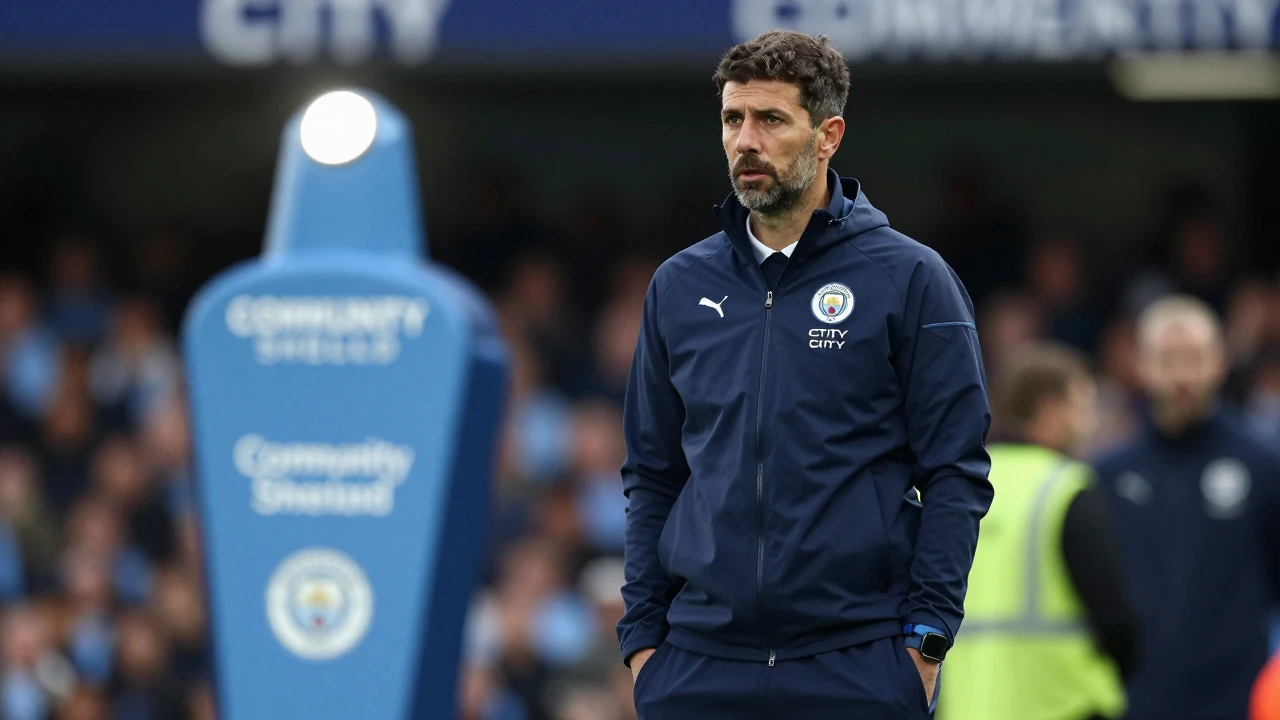
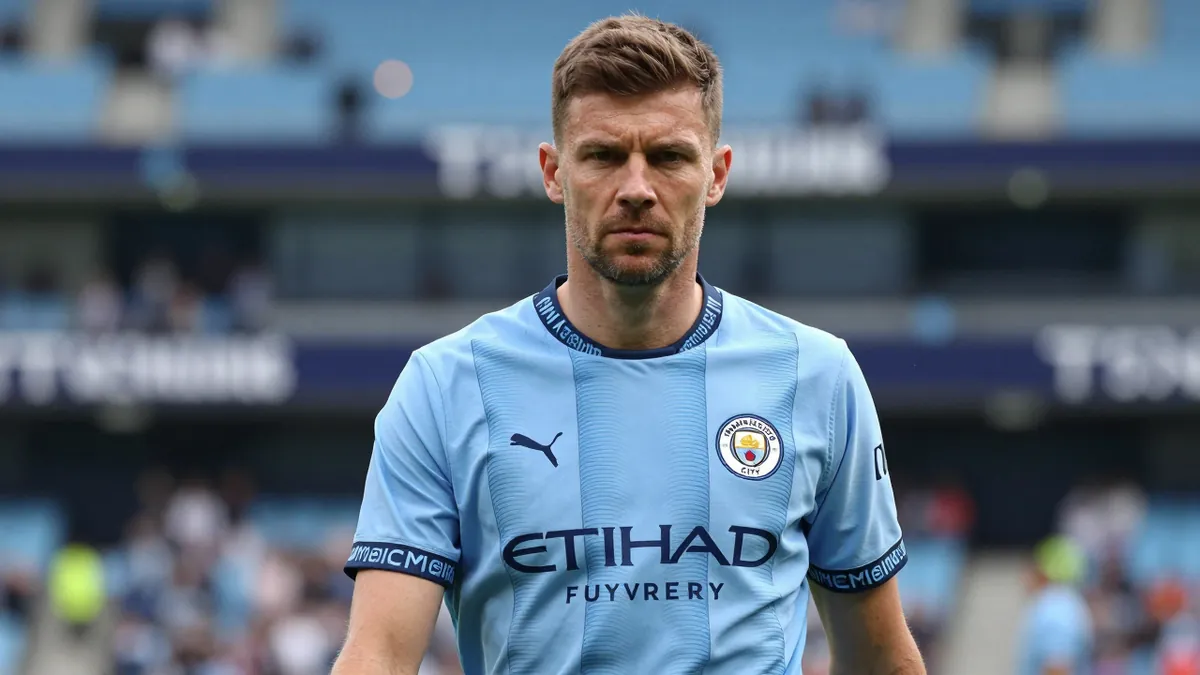
Manchester City has generated £623 million from player sales since 2020, placing them 8th in a ranking of top clubs. The Citizens trail behind Chelsea (£1.084bn), Benfica (£757M) and RB Leipzig (£706M), but remain ahead of Brighton (£606M). This financial performance comes as the club finished 2nd in the 2025 Premier League season with 78 points, 7 behind leaders Arsenal.
Chelsea leads the pack with £1.084 billion in player sales revenue since 2020, nearly double Manchester City’s £623 million. Benfica follows with £757 million, while RB Leipzig and Atalanta have earned £706 million and £655 million respectively. Aston Villa and Stade Rennais round out the top with £648 million and £625 million. Wolves are just ahead of Manchester City at £624 million.
Manchester City’s £623 million from player sales highlights their ability to monetize talent effectively. This revenue stream supports their competitive squad, which scored 77 goals and conceded 35 last season. Despite finishing 7 points behind Arsenal, the club’s financial strength allows them to remain a top contender. Their recent form, however, shows a need for improvement, with only 1 win in their last 5 matches (LLDDW).
Players like Jack Grealish and Rodri, currently sidelined, are key to Manchester City’s success. Their absence has contributed to recent struggles, including a 1-2 loss to Aston Villa on May 24, 2026. As the club looks ahead, balancing player sales with on-field performance will be key to maintaining their competitive edge.