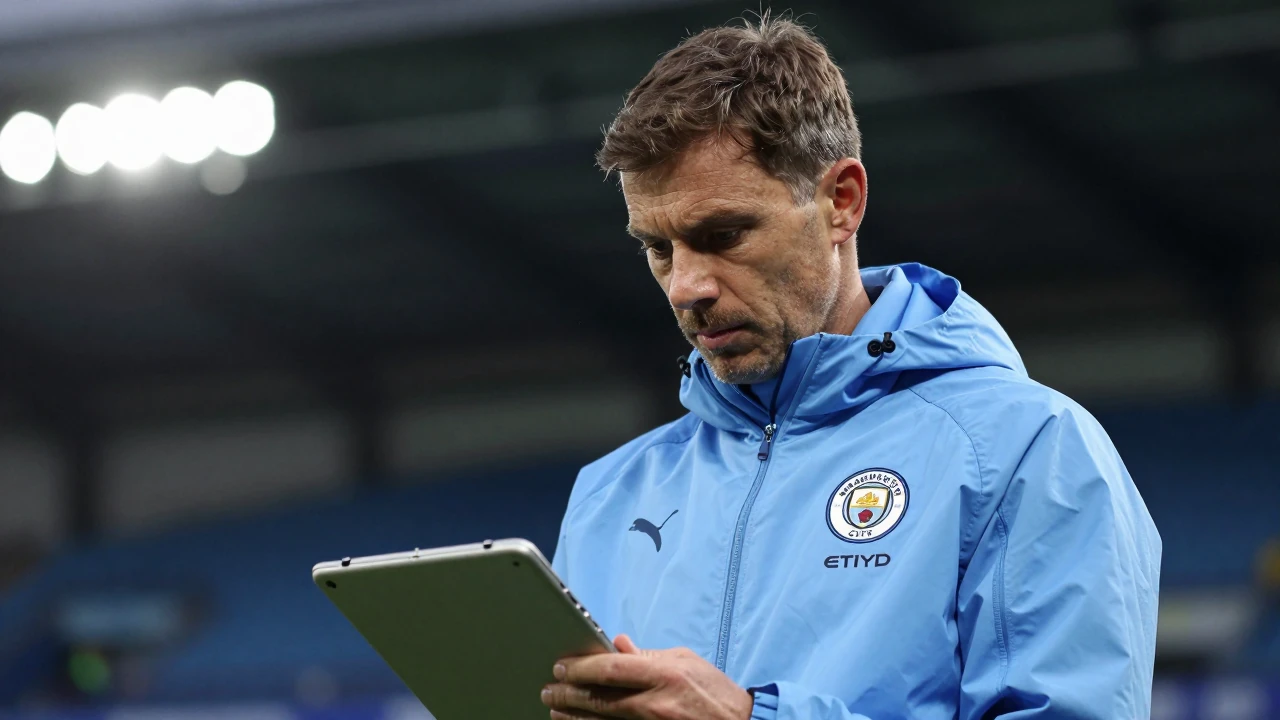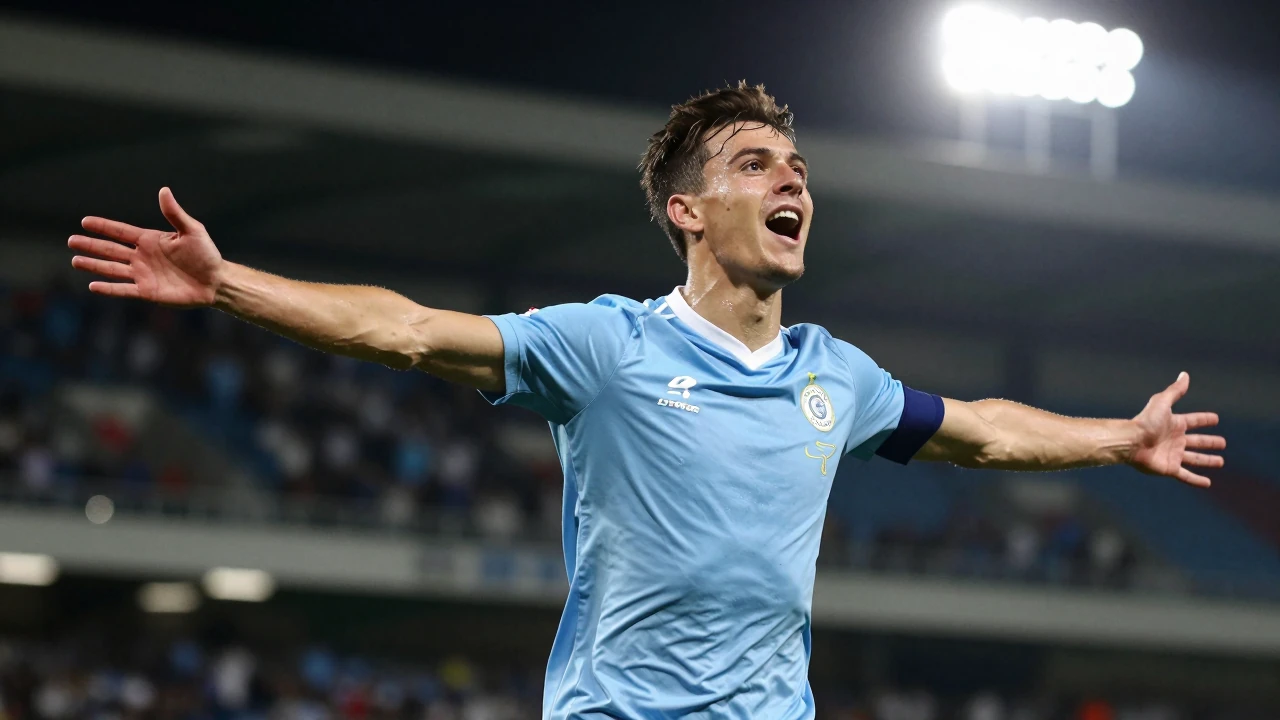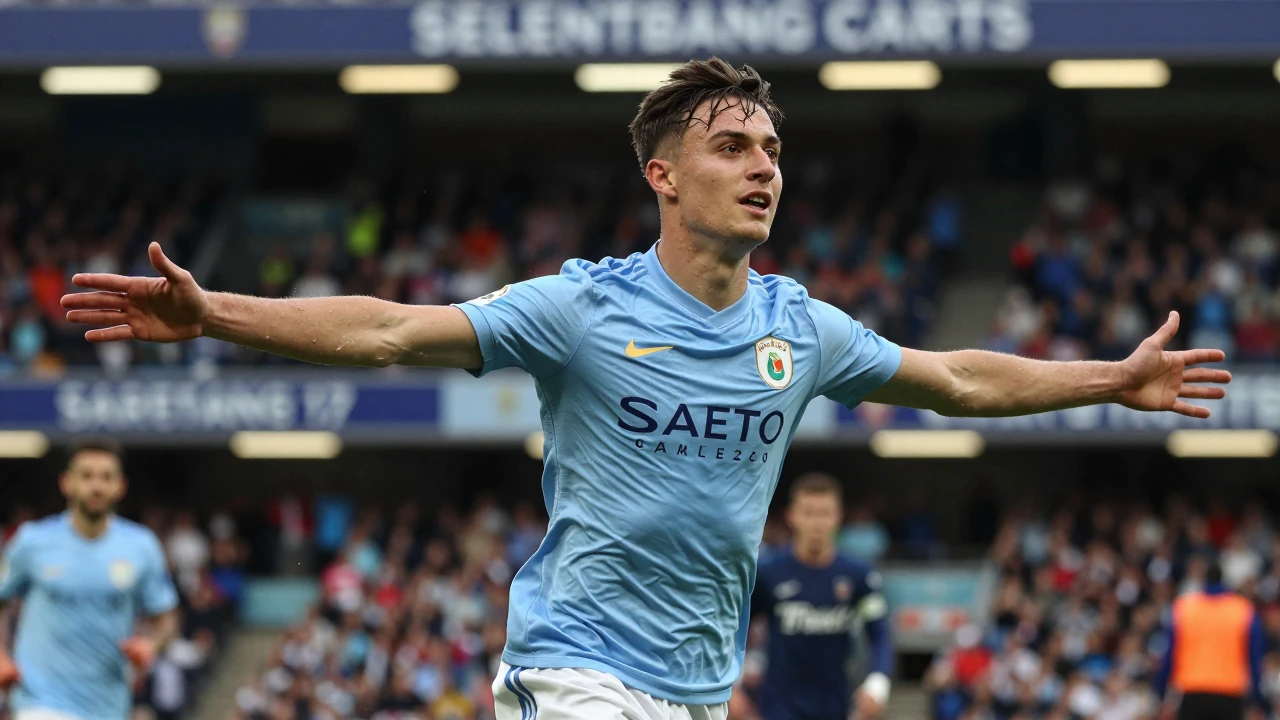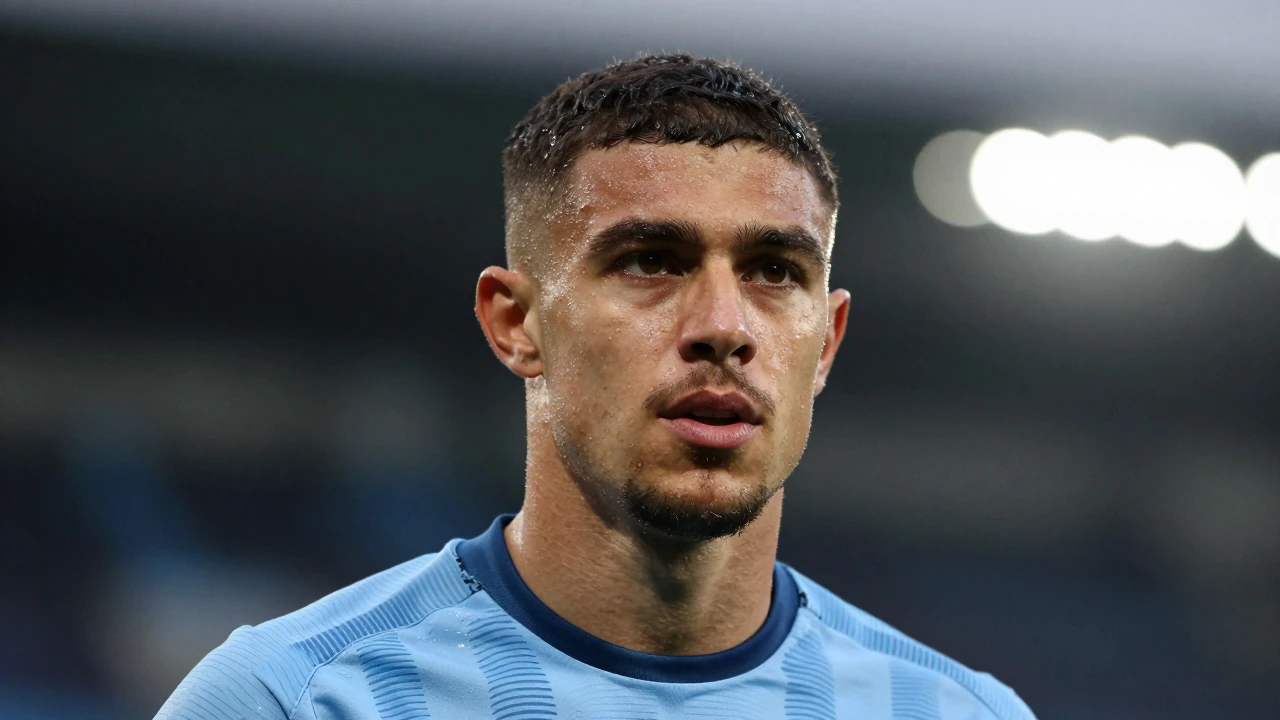
Manchester City's transfer window activity is under the microscope with just one week remaining before the deadline. The club's traditional early business has stalled, raising questions about squad readiness for the new Premier League season, where they currently sit 7th with three points from one game. According to a report from www.google.com, the club's internal 'total quality index' has dipped to 156, a figure that correlates with title chances and now sits behind both Liverpool and Arsenal.
Chief executive Ferran Soriano acknowledged the situation this week. "All the players we have signed are very young," Soriano said. "So we are at the beginning of a cycle. Arsenal have signed older players, average 27." The club has so far secured only two permanent signings this summer: Jeremy Jacquet and Victor Munoz. With gaps identified for a Mohamed Salah replacement, a holding midfielder, and full-back reinforcements, a frantic dash for deals is anticipated.
How does City evaluate transfer targets?
Manchester City's recruitment is driven by a detailed data model. Lewis Whitehouse, the club's player identification and evaluation lead, explained the process. "We measure 43 metrics across the pitch and melt those metrics down to just seven numbers," Whitehouse said. "Based on those seven numbers, we can then cluster similar players together." This system, now overseen by director of football Hugo Viana who succeeded Txiki Begiristain in 2023, is designed to identify players who fit the tactical vision of manager Enzo Maresca. The club has reportedly agreed a deal for Lille midfielder Ayyoub Bouaddi, a move consistent with this data-led approach.
Why is this summer's business running late?
This deadline pressure marks a shift for a club known for swift action. In past years, key signings like Erling Haaland, Rodri, and Bernardo Silva were completed by early July. Last summer, signings such as Rayan Ait-Nouri and Tijjani Reijnders were wrapped up in June to prepare for the Club World Cup. Only twice in recent memory has major summer business been done after the season started: Ruben Dias joined in September 2020 following a heavy defeat, and Gianluigi Donnarumma arrived last September. Chairman Khaldoon Al Mubarak has conceded that sticking with older players for too long has previously cost the club, prompting this renewed focus on youth.
What is the current squad context?
The need for reinforcements is underscored by the early-season context. Manchester City began their campaign with a win, scoring two goals and conceding one. However, the squad is already dealing with absences, with Jeremy Doku, Rico McAidoo, and Matheus Nunes currently sidelined, as listed on the club's injuries page. This thinness adds urgency to the final week of the window. The next test is a home match against Coventry City on September 5th, a fixture you can find on our fixtures schedule.
What happens next for City's recruitment?
The final week will be decisive. Historical data shows that 20% of all 'Big Six' Premier League spending since 2002-03 occurs in the last week of the summer window. Liverpool, also known for early deals, is reportedly chasing Paris Saint-Germain's Bradley Barcola and has bid for Brighton's Yankuba Minteh, indicating a competitive market. For Manchester City, the challenge for Viana and Maresca is to execute a plan that addresses immediate needs while building for a new cycle. Success before the deadline could define their early season, especially as they look to climb from 7th in the standings. The club's ability to translate its sophisticated data model into last-minute signings will be a key test of its new-era strategy.